Hair Fall Treatment in Nagole, Hyderabad — Diagnose First, Treat Right
Hair fall is rarely caused by one thing. At Skinheal Clinic, we use trichoscopy and targeted blood tests to identify exactly what is driving yours — then build a stepwise plan around it.
More than just a symptom
Hair fall is one of the most common reasons people consult a dermatologist — and one of the most poorly handled in general practice. Patients try shampoos, oils, supplements, salon treatments and Instagram routines for months or years before reaching real medical care. By then, they have lost time, money and, often, hair.
What makes hair fall complicated is that the same symptom (more hair in the shower, widening parting, receding hairline) can have very different causes — genetic, hormonal, nutritional, scalp-related, autoimmune, stress-induced. Each needs a different treatment. Without proper diagnosis, even the most expensive PRP or transplant is a guess.
Modern hair restoration is methodical. Identify the cause. Match the treatment. Stay with the patient over the months that hair regrowth takes. We have built our hair practice around this discipline.
What is hair fall treatment, really?
Hair grows in cycles — anagen (growth, 2–7 years), catagen (transition, 2 weeks), telogen (rest, 3 months) and exogen (shedding). Normally, 90% of follicles are in anagen and only a small fraction in telogen at any time. When hair fall increases, it usually means the telogen pool has grown — either from a generalised stressor (telogen effluvium) or from genetic miniaturisation of follicles (androgenetic alopecia).
Less commonly, hair fall is caused by autoimmune attack on follicles (alopecia areata, scarring alopecias), scalp inflammation (seborrheic dermatitis, psoriasis), nutritional deficiency, thyroid disease, or hormonal imbalance (PCOS, postpartum, perimenopause).
Trichoscopy — a magnified scalp examination — distinguishes most of these in under 10 minutes. Without it, hair fall consultations are guesswork.
Common causes & triggers
- Genetic — androgenetic alopecia (most common in men and women)
- Hormonal — thyroid disorders, PCOS, postpartum, perimenopause
- Nutritional — iron, vitamin D, B12, protein deficiency
- Stress, illness, surgery, high fever (telogen effluvium)
- Scalp disorders — seborrheic dermatitis, psoriasis, fungal infections
- Medications — certain antihypertensives, chemotherapy, hormonal contraceptives
- Tight hairstyles, chemical treatments (traction alopecia)
- Autoimmune — alopecia areata, scarring alopecias
How we approach hair fall treatment at Skinheal
Diagnosis before treatment, always. We use trichoscopy and targeted blood tests to identify the cause. We start with medical therapy where appropriate. We escalate to procedures (PRP, GFC, mesotherapy, exosomes) when medical alone is not enough. We reserve hair transplantation for cases where it is genuinely the right answer — typically established balding with stable disease.
We are honest about timelines and outcomes. Most hair fall conditions take 3–6 months to show visible improvement. Genetic hair loss needs sustained treatment to maintain results. Telogen effluvium is self-limiting and we say so.
How we treat hair fall treatment
Apart from topical therapy and oral medication, we also offer specialty in-clinic treatments — PRP/GFC, mesotherapy, exosome therapy, low-level laser therapy, hair transplantation, and nutritional & lifestyle counselling.
PRP / GFC
In-clinic injections of platelet-rich plasma or growth factor concentrate to stimulate follicles directly. Typical course: 4–6 sessions, 3–4 weeks apart.
Mesotherapy
Targeted scalp injections of vitamins, peptides and hair-growth molecules.
Exosome Therapy
Advanced cellular signalling molecules — particularly useful when PRP has plateaued.
Low-Level Laser Therapy
Adjunct option for some patients.
Hair Transplantation
For patients with established balding and stable disease.
Nutritional & Lifestyle Counselling
Diet, stress, sleep, hair-care habits — small adjustments that amplify medical results.
What you can realistically expect
- Visible reduction in hair fall within 6–8 weeks of starting therapy
- Density improvement over 3–6 months for most patients
- Diagnostic clarity — you know exactly what is causing your hair fall
- Combination therapy beats single-agent treatment
- Long-term maintenance protocols sustain results
What your visits actually look like
Your first hair consultation runs 30 minutes. We start with your story — when hair fall began, how it progressed, what you have tried, family history of baldness. We then examine your scalp with a trichoscope. The magnification lets us see things you cannot in a mirror — early miniaturisation, pattern of hair loss, scalp inflammation. Targeted blood tests are ordered where relevant.
You leave with a written plan: morning/night topical routine, oral medications where appropriate, in-clinic procedures (if planned), and a realistic timeline. Reviews happen every 6–8 weeks during active treatment. Visible improvement typically begins at the 3-month mark.
Who benefits most
- Adults experiencing increased hair fall
- Men with male pattern hair loss
- Women with female pattern hair loss or postpartum hair fall
- Anyone with a family history of baldness wanting preventive treatment
- Patients dissatisfied with previous PRP / shampoo / oil-based treatments
What to expect after treatment
Hair fall treatment is a multi-month journey, not a one-time procedure. PRP/GFC need 4–6 sessions every 3–4 weeks, then maintenance every 3–6 months. Medical therapy is daily and ongoing. Visible improvement begins in 6–12 weeks.
Honest disclosure of possible side effects
- Initial shedding when starting minoxidil — usually settles in 4–6 weeks (sign of treatment working, not failing)
- Side effects of finasteride (rare; discussed beforehand)
- PRP / GFC: mild scalp tenderness for 24 hours
- Discontinuation of therapy can reverse gains over time in genetic hair loss
Setting the record straight
MYTH: Daily oil massage prevents hair fall.
FACT: Oil does not penetrate follicles or stop genetic hair loss. It can soften hair and reduce breakage but does not address underlying causes.
MYTH: Cutting hair makes it grow thicker.
FACT: Hair thickness is determined by the follicle, not the cut. Trimming has no effect on density.
MYTH: Shampooing causes hair fall.
FACT: Shampoo removes the hairs that were going to fall anyway. Not shampooing causes scalp problems, not less hair fall.
MYTH: PRP works for everyone.
FACT: PRP works where follicles still exist. It does not regrow hair in completely bald areas.
Led by Dr. Srinu
MBBS · MD, DVL (Gold Medalist) · Fellow in Aesthetics, LASERS & Dermatosurgery
A gold-medalist dermatologist with advanced training in lasers, aesthetics and dermatosurgery — combining academic distinction with hands-on expertise in cosmetic procedures, hair restoration and complex skin conditions.
Full Profile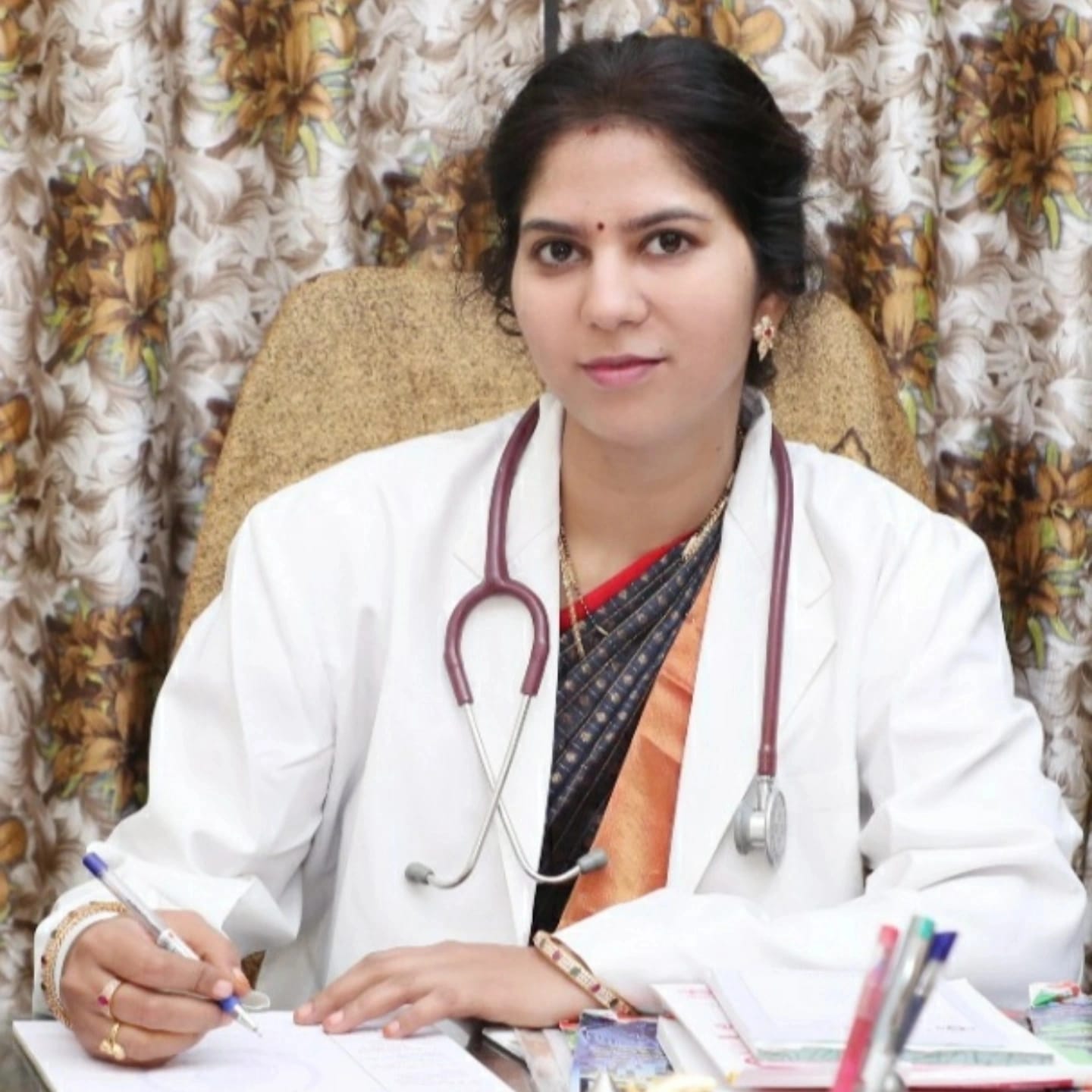
Dr. Srinu Chandra Tiragati
Clinical & Cosmetic Dermatologist
Why patients in Hyderabad choose us for hair fall treatment
- Care led by Dr. Srinu Chandra Tiragati — MD DVL (Gold Medalist), Fellow in Aesthetics, Lasers & Dermatosurgery.
- USFDA-approved equipment and evidence-based protocols — no unproven shortcuts.
- Honest, transparent consultations — no upselling, no commission-driven recommendations.
- Conveniently located in Nagole — easy reach from LB Nagar, Uppal, Dilsukhnagar, Hayathnagar and Kothapet.
- Multilingual care in English, Telugu and Hindi.
- Continuity of care — you see the same doctor across visits, not rotating juniors.
- Confidentiality maintained for every consultation, including sensitive concerns.
- Conveniently located for the entire eastern Hyderabad catchment — 10-15 minutes from most suburbs.
Hair Fall Treatment — Frequently Asked Questions
Common questions from patients about hair fall treatment at Skinheal Clinic.